
As the evidence base grows, the conversation around medical cannabis has moved away from narrative towards peer-reviewed outcomes. For producers here in Sri Lanka, those findings matter because they translate directly into sustained export demand from regulated markets that pay well and pay consistently.
The acceptance of medical cannabis within global healthcare did not happen quickly. It was built on decades of clinical research, patient advocacy, and a genuine willingness among regulators to follow the evidence. Today, health authorities in Germany, Australia, Canada, and the UK have all created formal frameworks for cannabis-based medicines. The question is no longer whether cannabis has medical utility. The question is which producers can deliver it at pharmaceutical grade consistency, and at what cost.
The endocannabinoid system, identified in the early 1990s, is now understood to be one of the body’s most important regulatory networks, governing pain signalling, immune response, mood, sleep, and inflammation. Cannabinoids, particularly THC and CBD, interact with this system in ways that have shown measurable clinical benefit across a range of conditions. Chronic pain management remains the largest area of application, offering real outcomes for patients who have exhausted conventional options, and without the dependency risks associated with opioid alternatives.
From a production standpoint, this demand is not seasonal or trend-driven. Chronic pain, epilepsy, and MS are long-term conditions. Patients need consistent supply month after month. Establishing Sri Lanka as a supplier to this market could support the development of long-term off-take agreements for local producers.
“We are not producing a supplement. We are producing a pharmaceutical-grade product for the most demanding medical markets on earth. That distinction shapes every decision we make, from genetics selection to post-harvest processing.”
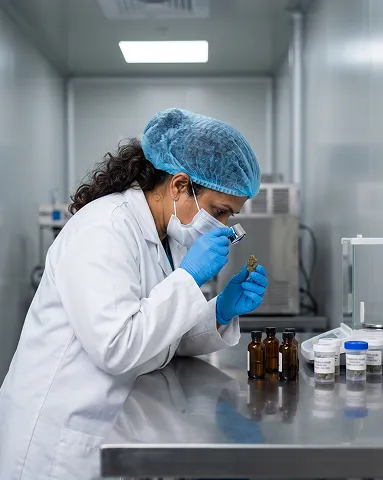
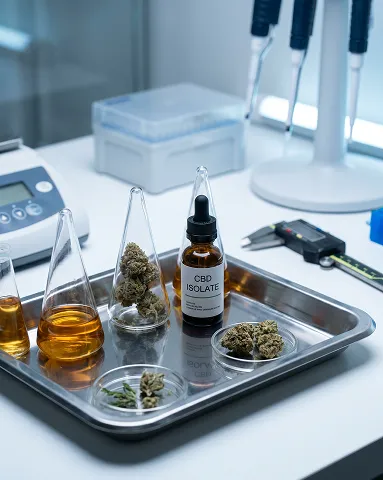
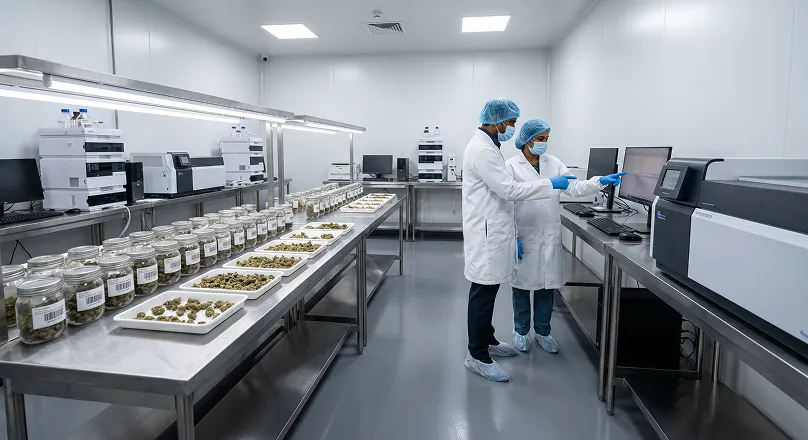
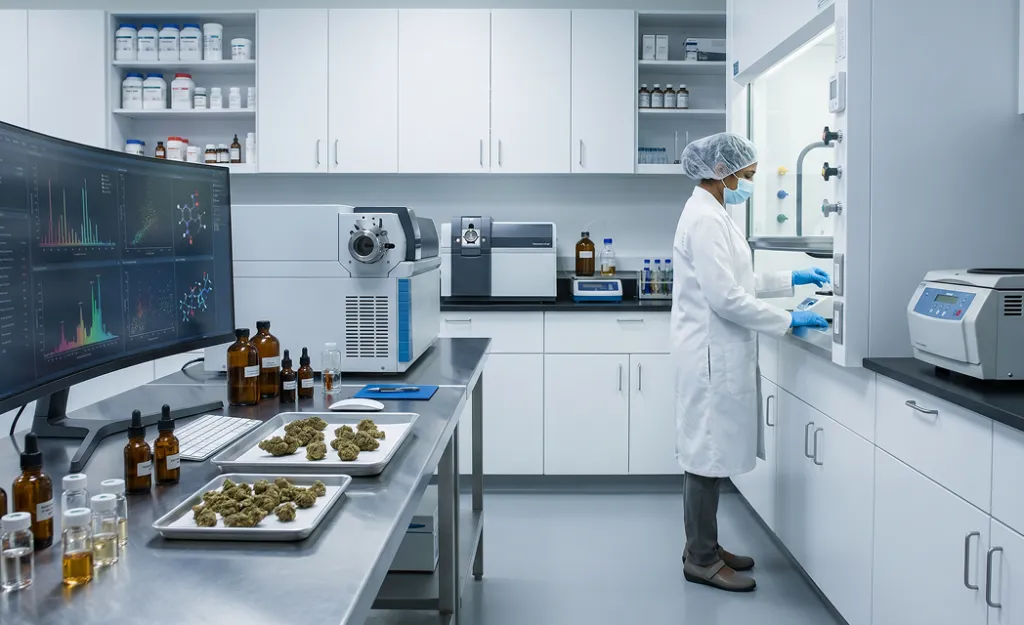
Beyond pain, the evidence for cannabis in oncology related nausea, multiple sclerosis spasticity, treatment resistant epilepsy, and anxiety disorders have strengthened considerably. The European Medicines Agency has approved cannabinoid derived medicines in several of these categories, and institutional pharmacy buyers across the EU are actively expanding their formularies to include cannabis-derived products. The condition for entry is strict: GMP documentation, contaminant testing, and supply chain traceability that can withstand a regulatory audit.
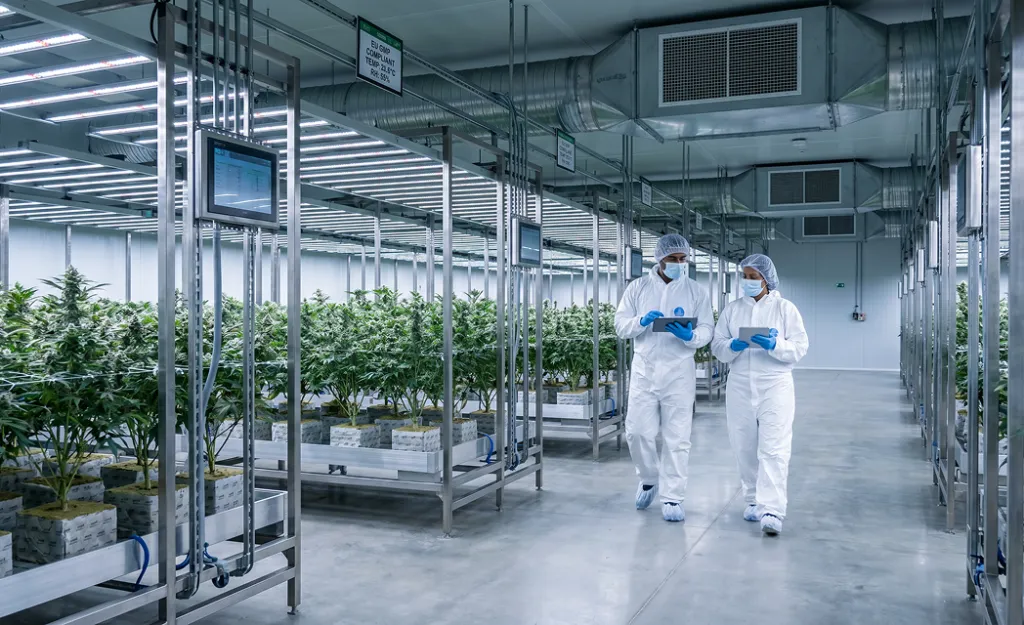
This is why Gammaa Extracts chose to build its facility and quality systems around EU GMP compliance from day one, not as an afterthought. The buyers we are targeting do not lead with price. They ask for Certificates of Analysis, microbial limits, pesticide screening, and batch consistency. We built our operation to answer those questions with confidence. The science has done its work. It now falls to producers like us to meet the standard the evidence demands.