
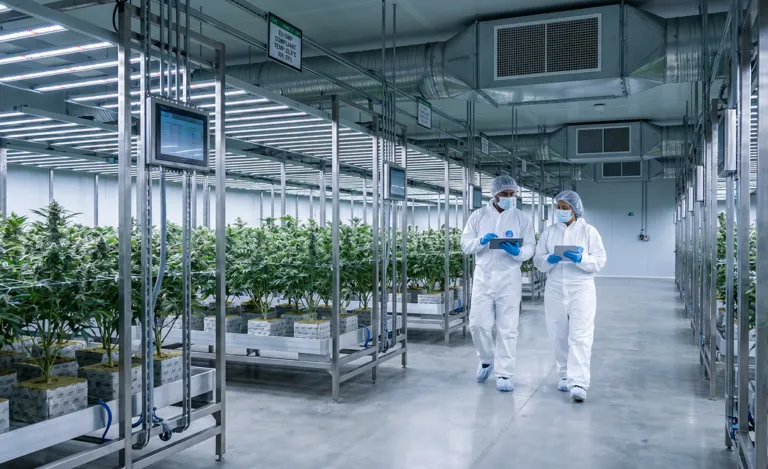
European pharmaceutical regulators are tightening their quality requirements, and producers across Asia are facing a compliance crossroads. Most will fall short, not because of what they grow, but because of what they cannot document. We built our entire operation around not being in that position.
The European medical cannabis market is simultaneously the most lucrative and the most demanding in the world. Germany alone, following its landmark 2024 liberalisation, represents a regulated import market that most Asian producers are structurally unprepared to serve. The barrier is not genetics, climate, or cost. It is compliance. EU GMP certification demands documented quality systems, validated manufacturing processes, trained personnel, environmental monitoring, and the kind of institutional infrastructure that most startup operations have neither the expertise nor the patience to build.
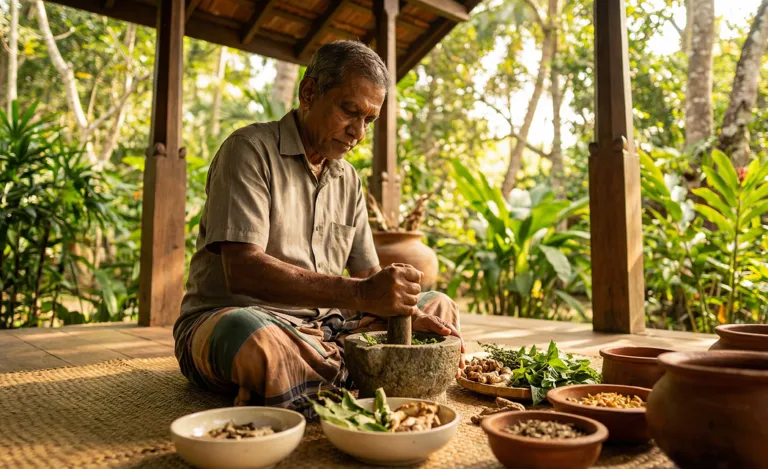
Long before clinical trials and pharmaceutical dossiers, Sri Lankan healers already understood something that modern science is only now able to explain in chemical terms. For us as growers on this island, that history is not a talking point for a brochure. It is the reason this crop grows here the way it does, and it is a legitimate commercial asset that no producer in Canada, the Netherlands, or Germany can replicate.
In the ancient palm leaf medical texts of Sri Lanka, the ola leaf manuscripts held in the National Museum and in the custody of traditional veda mahathayas, cannabis appears not as a recreational curiosity but as Osu: medicine. References to its use in pain management, inflammation, and neurological conditions stretch back approximately three thousand years, woven into the Hela Wedakama tradition that predates even the formalised Ayurvedic codifications of the Indian subcontinent.
Sri Lanka is one of the few countries in the world where cannabis as medicine has an unbroken indigenous tradition, documented, practised, and formally recognised under the Ayurveda Act of 1961, and overseen today by the Department of Ayurveda. Gammaa Extracts holds a permanent licence from that department. What we are doing here is not a departure from Sri Lanka’s medical heritage. It is a continuation of it.
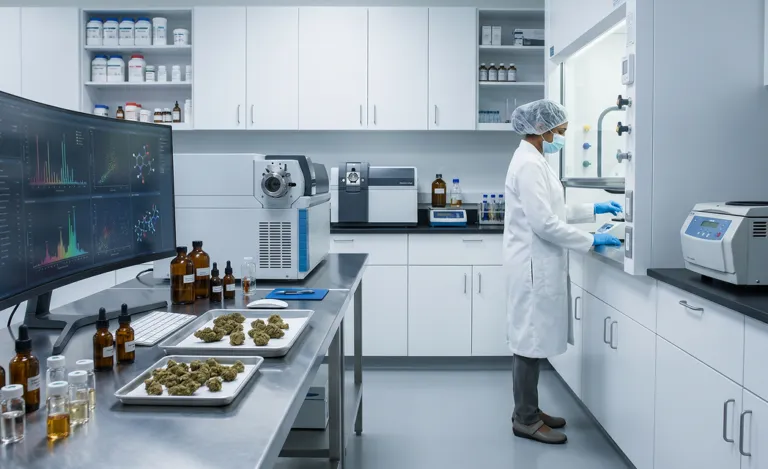
As the evidence base grows, the conversation around medical cannabis has moved away from narrative towards peer-reviewed outcomes. For producers here in Sri Lanka, those findings matter because they translate directly into sustained export demand from regulated markets that pay well and pay consistently.
The acceptance of medical cannabis within global healthcare did not happen quickly. It was built on decades of clinical research, patient advocacy, and a genuine willingness among regulators to follow the evidence. Today, health authorities in Germany, Australia, Canada, and the UK have all created formal frameworks for cannabis-based medicines. The question is no longer whether cannabis has medical utility. The question is which producers can deliver it at pharmaceutical grade consistency, and at what cost.
The endocannabinoid system, identified in the early 1990s, is now understood to be one of the body’s most important regulatory networks, governing pain signalling, immune response, mood, sleep, and inflammation. Cannabinoids, particularly THC and CBD, interact with this system in ways that have shown measurable clinical benefit across a range of conditions. Chronic pain management remains the largest area of application, offering real outcomes for patients who have exhausted conventional options, and without the dependency risks associated with opioid alternatives.